ASME B16.5 vs HG 20592 Flange Standards
 Carl EricksonLast Updated: Nov 12, 2026
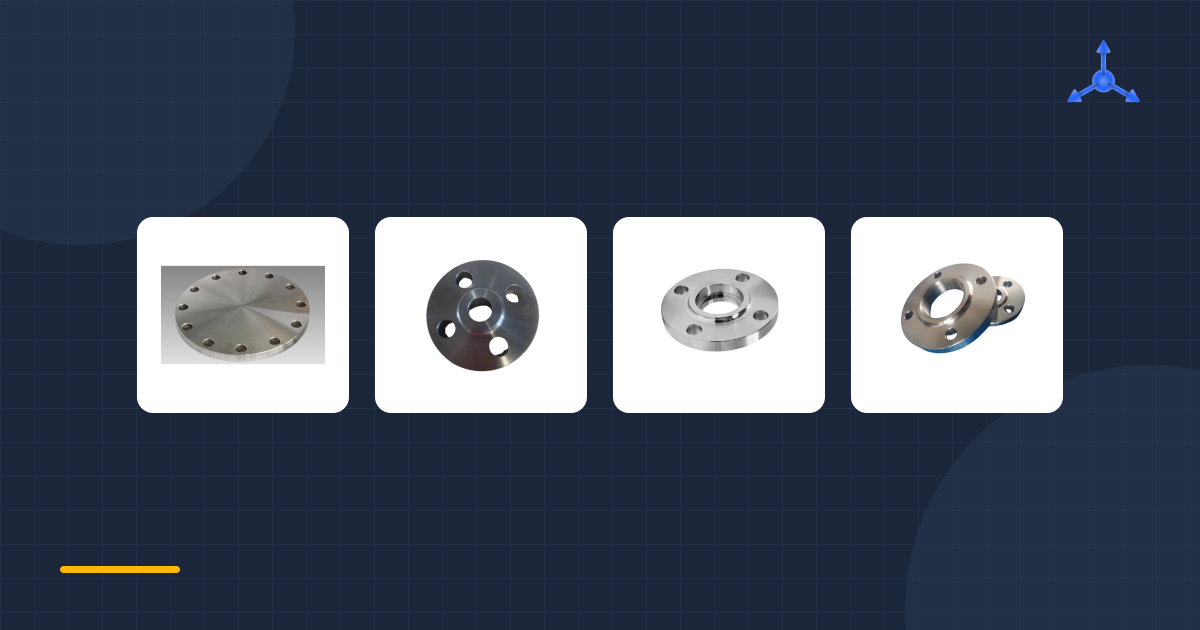
ASME B16.5 and HG 20592 are two flange standards, the first North American and the second Chinese. They differ in how sizes, pressure classes and facings are designated, so a flange made to one does not reliably mate with a flange made to the other.
Vector Components quotes flanges to either, or to the client's own standard. The published range is DN15 to DN2000, in Class 150 to Class 2500, to ASME B16.5, ASME B16.47, HG 20592 to 20605, HG 20615 to 20626, or the client's own standard, in carbon, alloy and stainless steel.
What Does Each Standard Actually Specify?
Both fix the same categories of dimension, with different numbers in them.
The American Society of Mechanical Engineers (ASME) B16.5 covers pipe flanges and flanged fittings in nominal sizes up to 24 inches, by pressure class. ASME B16.47 picks up the larger diameters above that.
HG 20592 is a Chinese chemical industry standard, part of a series that runs from HG 20592 to 20605, with a second series from HG 20615 to 20626. It covers the same ground for the same kinds of plant.
Each standard fixes the bolt circle diameter, the number and size of bolt holes, the flange outside diameter and thickness, the hub dimensions, and the facing. Each also sets which material grades go with which rating.
Neither is a variant of the other. They are two complete, independently maintained systems that happen to describe the same component.
Where Do the Two Diverge in Practice?
At designation, at facing, and at the bolt pattern.
Designation is the first trap. ASME works in pressure classes; the HG series uses nominal pressure, written PN. A drawing that says "Class 150" and a drawing that says "PN 16" are not describing the same flange even where the dimensions happen to be close.
What a PN number permits depends on the material and the temperature, so it is not a figure to convert against an ASME class by arithmetic. Specify the standard and let its own table govern.
Facing is the second. Raised face, flat face and ring-type joint all appear in both systems, but the facing dimensions and the gasket that seats on them are set by the standard. A correct flange with the wrong facing does not seal.
The bolt pattern is the third and the most visible. Two flanges of the same nominal size to different standards can differ in bolt circle diameter and hole count, which means they will not bolt together regardless of what else is right.
None of this is a statement about where the flange was made. Flanges to ASME B16.5 are manufactured in China routinely and correctly. What causes a mismatch is a drawing that names a size and a class without naming the standard, and leaves the choice to whoever reads it.
Which Range Is Available to Either Standard?
DN15 to DN2000, Class 150 to Class 2500, in carbon, alloy and stainless steel.
Nominal diameter (DN) is the metric designation, and the range covers everything from a small instrument connection to a large plant header. The specification table on the flanges page carries the full combination of size, class and material.
The client's own standard is also quoted. Company standards usually depart from a published standard in a small number of specific dimensions rather than throughout, so sending the standard document or referencing it on the drawing is what makes that work.
Parts are made by the partner factories Vector Components represents. Vector does not own or run a factory, and each factory in the network has an agreement authorizing Vector to serve as its overseas sales department.
What Has to Be on the Drawing?
Six things: the standard, the nominal diameter, the pressure class, the facing type, the material grade, and ideally the component it mates to.
Facing is the one most often left off, and it matters as much as the bolt circle because the gasket seats on it.
The mating component is the most useful addition. A flange specified against the thing it bolts to can be checked before it is made, and that check catches the designation mismatch described above.
Vector's team works with the production engineers in their native language. A question about which standard a drawing meant is answered against the drawing rather than guessed at, which is where a standards mismatch usually gets caught or missed.
Which Standard Should You Order To?
Whichever the mating equipment uses.
That is the whole answer, and it is worth stating plainly because the question often arrives framed as a quality comparison. It is not one. Both standards produce flanges that work; mixing them produces flanges that do not fit.
If the plant is North American, ASME. If the equipment came from a Chinese supplier and the existing flanges are HG, HG. If the project has both, say so on the drawing and specify each line separately rather than letting one standard be assumed across the order.
Standard parts made to exact specification typically ship within two weeks. Material grade and pressure class move that more than size does, because the higher classes need thicker forged stock.
Send computer-aided design (CAD) drawings and specifications with the standard and the mating component named. A quotation follows within one business day, quotations are free, and payment terms are NET 30.
Send the drawing and the mating part.
FAQs
What is the difference between ASME B16.5 and HG 20592?
They are separate flange standards rather than versions of one another: ASME B16.5 is North American and HG 20592 is Chinese. Each fixes its own bolt circle, facing, thickness and pressure designation. A flange made to one will not reliably bolt to and seal against a flange made to the other.
Are Chinese flanges compatible with ASME flanges?
Only when they were made to an ASME standard. The question is which standard the flange was manufactured to, not where it was manufactured. Flanges to ASME B16.5 are quoted and made in China routinely; what causes a mismatch is a drawing that names a size and class without naming the standard.
What flange sizes and pressure classes are available?
DN15 to DN2000, in Class 150 to Class 2500, to ASME B16.5, ASME B16.47, HG 20592 to 20605, HG 20615 to 20626, or the client's own standard. Carbon, alloy and stainless steel are all available. The specification table on the flanges page carries the full combination.
What must a flange drawing state?
The standard, the nominal diameter, the pressure class, the facing type, the material grade, and ideally the component it mates to. Facing is the one most often left off, and it matters as much as the bolt circle, because the gasket seats on it.
Can you supply flanges to our own standard?
Yes. Alongside ASME B16.5, ASME B16.47 and the HG series, flanges are quoted to the client's own standard. Send the standard document or the drawing with it referenced, because a company standard usually differs from the published one in a small number of specific dimensions.
How long do flanges take?
Standard parts made to exact specification typically ship within two weeks. Material grade and pressure class move that more than size does, because the higher classes need thicker forged stock. The quotation carries the lead time for the specific combination rather than a general figure.
Related Reading

Carl Erickson
Founder and Chief Executive, Vector Components
Carl Erickson is a mechanical engineer and the founder and chief executive of Vector Components. He first went to Shenzhen in 2005 and spent more than fifteen years there building electromechanical products, managing factories and developing supplier networks. Vector Components brings nearly two decades of hands-on manufacturing experience in China to its customers in Canada and the United States.
About Carl EricksonRelated Signals


Casting or Machining: 6 Questions That Decide Which Is Cheaper at Your Volume
Carl EricksonMon, Nov 2, 2026