From Drawing to Quote in One Business Day: What to Send
 Carl EricksonLast Updated: Nov 12, 2026
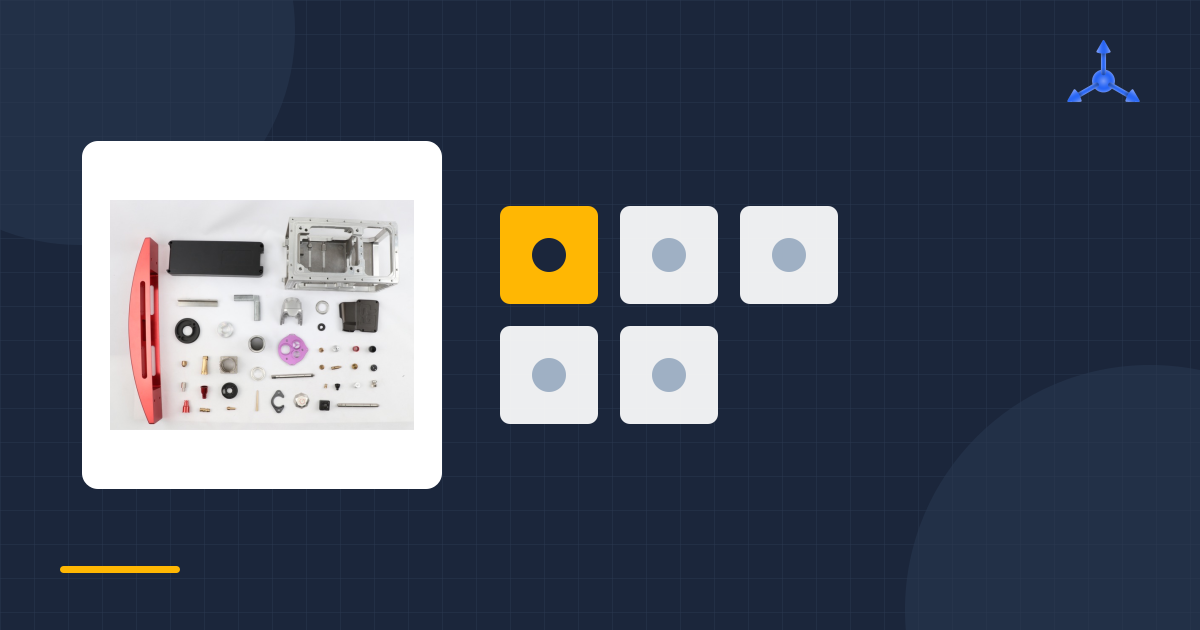
A machining quote needs five things: a dimensioned drawing, the tolerances that genuinely matter, the material grade, the quantity, and the surface finish. Send computer-aided design (CAD) drawings and specifications to Vector Components and a quotation follows within one business day, at no cost.
Missing tolerances are what usually delays it. Everything else on this page is detail about those five.
What Does a Quote Actually Need?
The five items, together, in one message.
A dimensioned drawing comes first. A three-dimensional model alone can be quoted, but less accurately, because a model carries geometry and not intent: it does not say which dimensions matter.
Then the tolerances that affect fit or function, a material grade rather than a material family, the real quantity, and the surface finish where it is specified.
Send computer numerical control (CNC) work as drawings and specifications. A quotation follows within one business day, quotations are free, and the drawing stays yours.
Vector coordinates manufacturing, quality control and delivery. Parts are made by the partner factories Vector represents, which is why a quotation names what a specific factory will do rather than averaging across a market.
Which Tolerances Should Be Called Out?
The ones that affect fit or function, with a general tolerance covering the rest.
This is the single most useful thing a buyer can get right. A drawing that calls out everything tightly is not a careful drawing; it is a drawing with no information about priority.
A factory reading it has two options. Hold the tightest called-out tolerance everywhere, which prices the whole part at the hardest feature, or guess which ones were meant. Neither is what the engineer intended.
Mark the dimensions that have to be held. Put a general tolerance in the title block for the rest. The gap between those two is where the price lives.
Which Material Detail Matters?
The grade, not the family.
The materials available are aluminium, steel, stainless steel, zinc alloy, copper alloy and engineering plastics, with the grades listed on the machining page.
Grade decides stock availability and machinability, and both feed the price and the lead time. Two grades that look equivalent on a datasheet can differ in whether the mill has them and how fast a tool moves through them.
It also decides whether a substitution is acceptable. A drawing naming a grade lets a factory ask about an alternative; a drawing naming a family lets it choose one silently.
How Does Quantity Change the Quote?
Quantity changes which process and which factory suit the part, not only the price per piece.
One part and five hundred parts are different engineering questions. At one, the setup dominates and the route is whatever gets there with least fixturing. At five hundred, a fixture that takes a day to make pays for itself before lunch on day two.
The processes available for customer-designed parts are CNC lathe, CNC mill, casting and wire electrical discharge machining (EDM). Which of them is right can flip entirely on quantity, and at some volume a cast or near-net route beats machining from solid altogether.
Vector selects the manufacturer for each part and process. That is a different exercise at one part than at five hundred, which is why a round number sent as a placeholder produces a quotation for a part nobody wants.
Casting or Machining: 6 Questions That Decide Which Is Cheaper at Your Volume is the page for that crossover.
What Slows a Quotation Down?
A question that has to be asked and answered before the part can be priced.
The common four are a missing tolerance, a finish named by trade name rather than specification, no quantity, and a drawing format that cannot be read. Each costs a round trip, and a round trip across time zones costs a day.
Vector's team works with the production engineers in their native language. Chinese engineers rarely speak English, and factory sales staff rarely have technical training, so a technical question routed through a sales desk can come back as an answer to a different question.
That removes one source of delay but not the others. The five items are what remove the rest.
Format is the easiest of the four to avoid. A neutral exchange format such as STEP opens anywhere and carries the geometry; a native file from one package may not open at the other end at all. Send the neutral model alongside a dimensioned drawing as a portable document, and the question never gets asked.
A Checklist Before You Send
Check the message against this before sending it:
- A dimensioned drawing, in a format that opens.
- Tolerances marked on the features that matter, with a general tolerance for the rest.
- The material grade, not the family.
- The quantity you actually need.
- The surface finish, where it is specified, by specification rather than trade name.
A quotation follows within one business day. Payment terms are NET 30 once an order is placed.
Send the drawing.
FAQs
What do you need to quote a machined part?
A dimensioned drawing in a readable format, the tolerances that matter, the material grade, the quantity and the surface finish. Send computer-aided design drawings and specifications and a quotation follows within one business day, at no cost. A model without a drawing can be quoted, but less accurately.
Which tolerances should I call out?
The ones that affect fit or function, with a general tolerance covering everything else. Marking every dimension as critical gives the factory no way to tell which ones to prioritise and prices the whole part at the tightest requirement, which is the most common avoidable cost on a first quotation.
What materials can be machined?
Aluminium, steel, stainless steel, zinc alloy, copper alloy and engineering plastics, with the grades listed on the machining page. State the grade rather than the family: stock availability and machinability both follow from the grade, and a substitution that looks equivalent on paper can change the price and the lead time.
Do I need a minimum quantity?
No, but quantity changes the answer. It decides which process suits the part and which factory runs it, so one piece and five hundred pieces are different questions rather than the same question at different prices. Send the quantity you actually need, not a round number.
Why is my quotation taking longer than a day?
Usually a missing tolerance, a finish named by trade name rather than specification, or no quantity. Each needs a question answered before the part can be priced. Sending the five items together is what makes the one business day realistic rather than optimistic.
Is the quotation free?
Yes. Quotations are free, and the drawing stays yours. The quotation names the lead time for the part as specified, which is more useful than a general figure because the process and the factory both follow from what the drawing asks for.
Related Reading

Carl Erickson
Founder and Chief Executive, Vector Components
Carl Erickson is a mechanical engineer and the founder and chief executive of Vector Components. He first went to Shenzhen in 2005 and spent more than fifteen years there building electromechanical products, managing factories and developing supplier networks. Vector Components brings nearly two decades of hands-on manufacturing experience in China to its customers in Canada and the United States.
About Carl EricksonRelated Signals