5 Questions Before Committing a Casting to Repeat Production
 Carl EricksonLast Updated: Nov 12, 2026
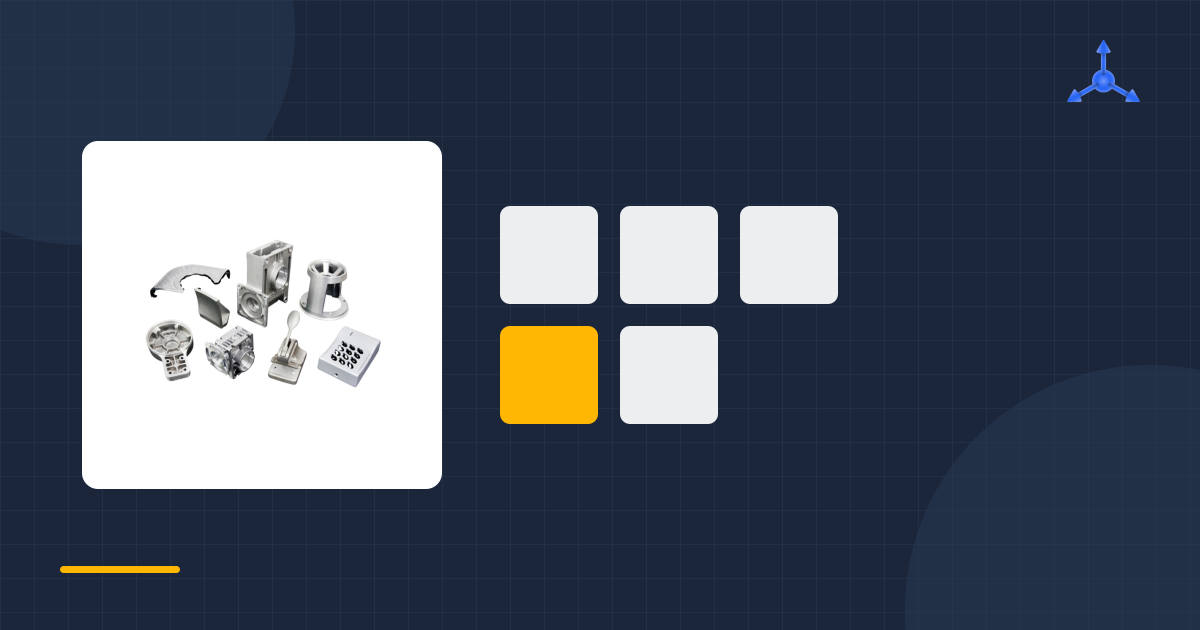
Moving a casting into repeat production changes what has to be agreed in writing: who owns the tooling, at which stage parts are inspected, what batch size the price assumes, which drawing revision governs, and who stores the pattern between runs. Settle all five before the second order.
The first order got made because someone answered a drawing and a price. A standing order is a different agreement, and the things it needs were not needed the first time.
Who Owns the Tooling Between Runs?
Ask first, because it decides whether anything else is portable.
The partner factory holds the physical tool. Vector Components does not own or run a factory, and each factory in the network has an agreement authorizing Vector to serve as its overseas sales department.
So there is a named party to answer the question, which is the point. What has to be written down is who owns the tool, who pays to maintain it, and what happens to it when the programme ends.
Maintenance sounds administrative until a run is needed quickly and nobody can say what condition the tool is in. A mould that has run fifty thousand parts is not the mould that ran the first five hundred.
Which Drawing Revision Governs the Order?
The one named on the purchase order, which is why it has to be named.
Sampling almost always produces changes. A radius opens up, a tolerance loosens, a datum moves. Each of those was agreed by someone, and each has to land in a revision.
A standing order that references a drawing without a revision level is an order against whichever copy the factory holds. That copy may predate the changes, and the factory is not wrong to build it.
This is the cheapest of the five to fix and the most often skipped. It is also the usual explanation when a second batch differs from the first and nobody can point to a mistake.
At Which Stage Is the Batch Inspected?
On a repeating order the question is sampling and stage, not whether inspection happens at all.
Vector supervises inspection, assembly, packaging and shipping. On a first order that supervision tends to cover everything, because everything is new.
On the tenth order it should be deliberate. Which features are checked every batch, which are checked on a sample, and at which point in the process.
Chinese factories often trade under several names, so it is also worth knowing which plant is running the current batch. A standing order can quietly move inside a group, and the first sign is usually a dimensional shift nobody ordered.
What Batch Size Does the Price Assume?
Every quoted price assumes a quantity, and on a repeat order that assumption outlives the conversation that produced it.
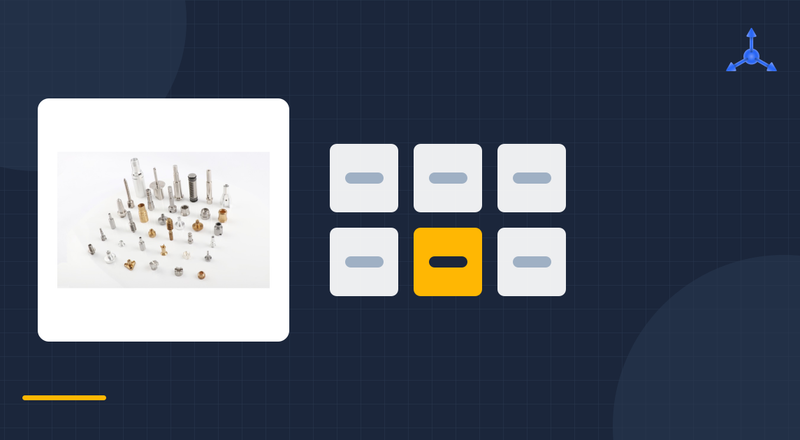
Standard parts batch-made to exact specifications are one of three kinds of work Vector handles. The other two are customer-designed parts and off-the-shelf parts sourced as a courtesy, and this middle category is where repeat casting orders live.
North American wholesalers stock generic versions of common items, which suits many jobs perfectly. Vector batch-manufactures for customers with more specific requirements, and competitive pricing on that work depends on the batch the setup is spread across.
So the question to settle is what batch the price assumes and what happens either side of it. Ordering half the assumed quantity is not half the cost, and ordering twice it should not be twice the cost.
Who Stores the Pattern Between Runs?
The factory, usually. Written down, ideally.
A pattern or a mould sitting in a corner of a plant for eight months is exposed to the ordinary risks of a working factory. Someone should own the question of where it is and what state it is in.
This also closes the loop on the first question. Ownership says who the tool belongs to; storage says who is responsible for it being usable when the next order lands.
What Should the Standing Order Say?
The five answers, on the order rather than in correspondence:
Tooling ownership, including maintenance and end-of-programme.
The drawing revision that governs, by number.
The inspection regime: which features, what sampling, at which stage.
The batch size the price assumes, and the behaviour either side of it.
Pattern storage, and who is responsible for its condition.
Standard parts made to exact specification typically ship within two weeks once tooling exists and the drawing is settled. The first order is different, because tooling and first article approval come first.
Send computer-aided design (CAD) drawings and specifications with the annual quantity. A quotation follows within one business day, quotations are free, and payment terms are NET 30.
Send the drawing and the annual quantity.
FAQs
What changes when a casting moves to repeat production?
The agreement does, more than the part. A sample order needs a drawing and a price; a standing order needs tooling ownership, an inspection stage, a governing drawing revision, a batch size the price assumes, and somewhere the pattern lives between runs. None of those matter on a one-off and all of them matter on the second order.
How long does a repeat casting order take?
Standard parts made to exact specification typically ship within two weeks once tooling exists and the drawing is settled. The first order is different, because tooling and first article approval come first. The quotation carries the lead time for the specific part rather than relying on a published figure.
Why would a second batch differ from the first?
Usually because the order referenced a drawing rather than a drawing revision. Any change made during sampling, even an agreed one, has to land in a revision that the standing order names. Without that, the factory builds to whatever copy it holds, which may not be the copy you approved.
Who stores the pattern or tooling between runs?
Agree it in writing, along with who pays to maintain it. The partner factory holds the physical tool, and Vector does not own or run a factory. Storage sounds administrative until a run is needed quickly and nobody can say which factory has the tool or what condition it is in.
Is a part made to specification different from a stocked part?
Yes. North American wholesalers stock generic versions of common items, and those suit many jobs. Standard parts batch-made to exact specification are made to your drawing instead, which is a different kind of work with its own lead time and its own economics at volume.
Related Reading

Carl Erickson
Founder and Chief Executive, Vector Components
Carl Erickson is a mechanical engineer and the founder and chief executive of Vector Components. He first went to Shenzhen in 2005 and spent more than fifteen years there building electromechanical products, managing factories and developing supplier networks. Vector Components brings nearly two decades of hands-on manufacturing experience in China to its customers in Canada and the United States.
About Carl EricksonRelated Signals