Importing Custom Parts From China Into Canada: 6 Things to Agree Before Production Starts
 Carl EricksonLast Updated: Nov 12, 2026
Importing custom parts from China into Canada comes down to six agreements made before production starts: the commercial terms, when payment falls due, where inspection happens, who owns the tooling, how parts are packaged, and who clears customs. None of them can be renegotiated once the parts exist.
That last point is the reason to settle them early. Each of the six is a short conversation before the first cut and an expensive one afterwards, because by then the money has moved and the parts are sitting somewhere.
Settle these six in writing before the factory starts:
- The delivery term, and the point where risk passes.
- The payment schedule, and what triggers each stage.
- The inspection point, and who signs the release.
- Tooling ownership, in writing, for moulds and fixtures.
- The packaging specification, including labelling and pallet format.
- The importer of record, and who files the entry.
Which Commercial Terms Decide Who Carries the Risk?
International Commercial Terms (Incoterms) decide who carries the risk, and they do it by naming one geographic point where cost and risk pass from seller to buyer. Everything before that point is the factory's problem. Everything after it is yours.
Free on Board (FOB) is the term most Chinese factories quote, and it names a port of shipment. The factory delivers the goods on board the vessel at that port. From that moment the buyer owns the freight, the marine insurance, the arrival charges and the customs entry.
A delivery term is not a price. A quotation that looks lower on FOB than another on delivered terms may be the more expensive of the two, because the cost lines for freight, insurance and entry have moved to your side of the ledger.
The delivery term also decides who the importer of record is, which is the party legally answerable to the Canada Border Services Agency (CBSA) for the entry. That is a separate question from who pays the freight, and the one most often left unstated until the shipment is moving.
Write the term into the purchase order in the form the standard uses: the three-letter term, the named place, and the edition it refers to, which is the 2020 edition of Incoterms unless you agree otherwise. A term quoted without a named place is not a term. A term quoted without an edition can mean two different things, because the definitions have been revised.
The payment term is a third agreement, separate again. A delivery term says where risk passes and a payment term says when money moves, and the two get conflated constantly. We quote and invoice on NET 30, which is a payment term and says nothing at all about the delivery point.
When Does Payment Actually Fall Due?
Payment on a Chinese custom order usually falls due in two stages, and both of them land before the parts reach you. A deposit releases the order into production. The balance falls due when the goods are ready to ship, or when they are on board.
That schedule puts the buyer's working capital into the factory's account while the parts are still on the water. The exposure is not only the cash. It is that the money has already moved by the time a defect becomes visible, which is the worst available order for a negotiation.
A deposit-and-balance schedule is ordinary practice and not a warning sign on its own. The thing to settle is what each stage is triggered by. A balance due on "goods ready" and a balance due on "inspection passed" are the same sentence with a different risk profile.
Our terms are NET 30, payable thirty days from the invoice date. Set against a balance due before shipping, that moves the payment to the other side of the voyage. It is the same part at the same specification, financed differently.
The second difference is recourse. We are legally bound to adhere to North American business standards, which gives a buyer legal recourse that a factory abroad does not. A dispute under a foreign contract is a different undertaking from a dispute with a company whose address is in Burnaby, British Columbia.
None of this makes the deposit disappear from the supply chain. What changes is who carries the exposure between deposit and delivery, and which jurisdiction's law governs a dispute. Decide both before the order, because both get decided by default otherwise.
Where Should Inspection Happen?
Inspection should happen at the factory, before the parts are packed, because pre-shipment inspection is the last point at which a reject costs nothing but time. A part scrapped on the production floor costs a re-run. The same part scrapped in Canada costs a re-run plus two freight legs and a schedule.
Agree three things about that inspection before production: the sample plan, the characteristics measured, and who signs the release. A first-article inspection report on the first piece, measured against the drawing, catches a misread tolerance before a batch exists. An inspection that measures only what the factory chose to measure is a formality.
We select the manufacturer for each part and process, talk directly with the engineers in charge, and supervise inspection, assembly, packaging and shipping. We do not own or run a factory. The parts are made by the partner factories we represent, which is why the inspection point is a coordination question rather than an internal one.
Packaging belongs in the same conversation, and it is the item most often left to the plant's discretion. Freight damage is not a warranty claim. A part that leaves the plant to specification and arrives bent has still failed, and the argument about fault takes longer than a re-run.
So specify the packaging the way you specify the part: the inner protection, the carton or crate, the pallet format, the labelling, and moisture control if the material needs it. A drawing note is enough. Packaging specified late is packaging done at somebody else's discretion.
Inspection on arrival finds the same defects at the worst moment. The freight is paid, the entry is filed, the duty is paid, and the replacement schedule starts from zero. The cost of finding a fault rises with every step it has travelled.
Who Owns the Tooling You Paid For?
Tooling ownership is a separate agreement from tooling payment, and paying for a mould does not transfer it unless the agreement says so. The invoice line says "tooling". It does not say whose.
That distinction decides whether a second supplier is possible at all. A mould that stays with the factory that cut it means a move to another plant starts by buying the tooling again, and by requalifying a first article.
A buyer who owns the tooling has a negotiation. A buyer who does not has a sunk cost.
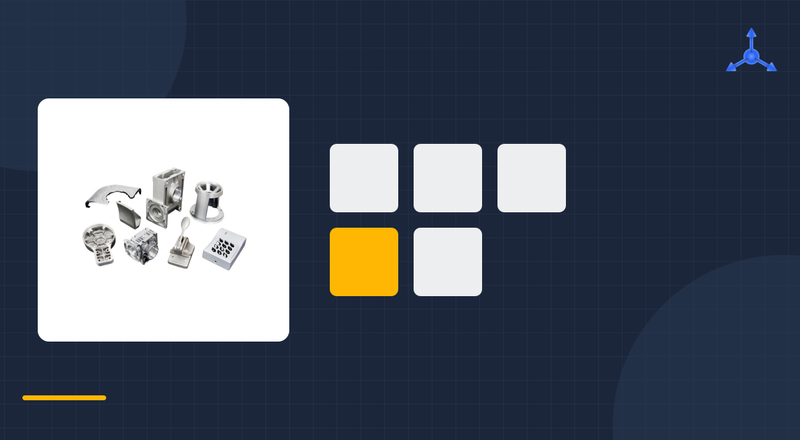
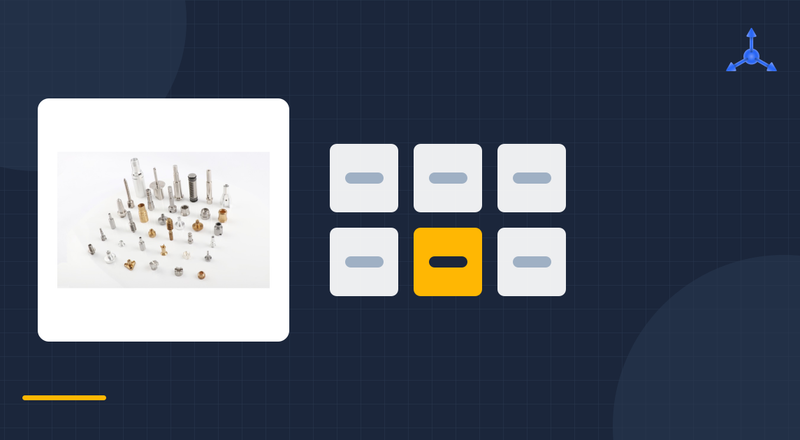
Not every process carries the same exposure. The custom parts we quote are made on Computer Numerical Control (CNC) lathe, CNC mill, casting and wire electrical discharge machining (EDM), and the tooling question looks different in each.
Casting and die casting carry a mould or die with real investment in it. CNC work carries fixtures, programs and gauges, cheaper to recreate but still setup time somebody paid for.
Write four things into the first order: who owns the tooling, where it is stored, who maintains it, and what happens to it if the relationship ends. Storage and maintenance matter more than they sound. A mould that has sat unmaintained between runs is not reliably a usable asset.
A prototype-to-volume move is where this gets expensive. Prototypes are often machined, because machining needs no mould. Volume is often cast, because the per-part cost is lower once the mould exists.
So the process changes, the tooling appears for the first time, and the ownership question arrives exactly when the project has no slack left. Ask for the clause in the first purchase order, while there is no mould yet and nothing to argue about. Asking after the second run means asking a factory to hand over an asset it has been treating as its own.
What Should Be Settled Before the First Order?
Six agreements should be settled before the first order, and each has one question that is easy to skip and expensive to skip:
- Delivery term: which named place, and which edition?
- Payment: what triggers the balance?
- Inspection: who signs the release, against which drawing?
- Tooling: who owns the mould, and where is it stored?
- Packaging: specified on the drawing, or left to the plant?
- Customs: who is the importer of record?
Customs is the item buyers discover late most often. The importer of record is answerable for the Harmonized System (HS) classification, the duty that follows from it, and any error in either. Classification is the importer's responsibility rather than the factory's, and an invoice description is not a classification.
Rates change, and they change without reference to your order. So build the mechanism into the quotation instead of a number: name the classification you intend to use, name who files the entry with the CBSA, and name who absorbs a reclassification. A landed cost calculated on last quarter's rate is a guess with a decimal point in it.
Canada is the market we serve first, with the United States second. Send computer-aided design (CAD) drawings and specifications and a quotation comes back within one business day. Quotations are free.
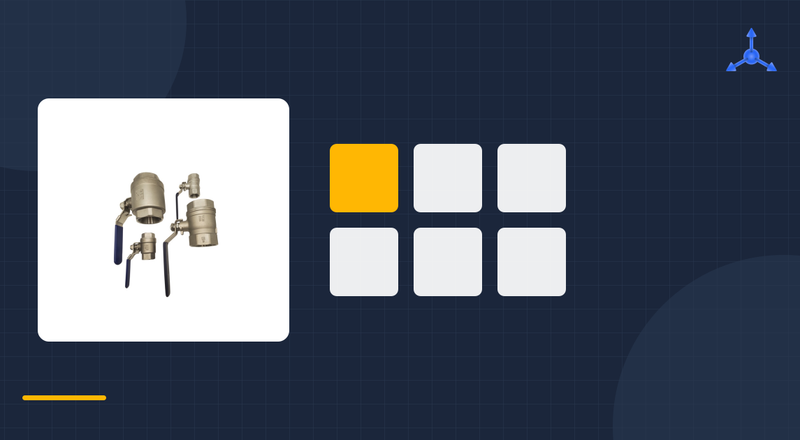
Standard parts made to exact specification, such as valves, fittings and flanges, typically ship within two weeks. Anything custom is quoted on the drawing, because the answer depends on process, tolerance and volume more than on anything else.
A description gets an estimate. A drawing gets a quotation.
We are the authorized representative of several leading Chinese manufacturers of industrial components, working from Burnaby, British Columbia, for buyers in Canada and the United States. Each factory in the network has an agreement authorizing us to serve as its overseas sales department. Sand casting is available through those factories, though it is not typical for the scale of the projects we take on.
Send us the drawing. If the six agreements are in the request, the quotation that comes back can answer all six.
FAQs
What do I need to agree before a Chinese factory starts my order?
Six things: the commercial terms, when payment falls due, where inspection happens, who owns the tooling, how parts are packaged, and who clears customs. Each one is cheap to settle beforehand and expensive afterwards, because once the parts exist every renegotiation starts from a position where the money is already spent.
How do payment terms usually work when buying from China?
Factories commonly bill on Free on Board (FOB) terms, with the balance due before the goods ship. That puts the buyer's money at risk while the parts are still in transit. Buying through a North American supplier on NET 30 terms moves the payment to the other side of the voyage, which changes both the working-capital position and the recourse if something is wrong.
Where should parts be inspected?
At the factory, before shipping. Pre-shipment inspection is the last point at which a reject costs nothing but time. Once parts are containerised, a fault means freight has been paid twice and the replacement schedule starts over. Inspection on arrival finds the same problem at the worst possible moment.
Do I own the tooling I paid for?
Only if the agreement says so. Paying for a mould and owning it are separate things, and the distinction decides whether you can move production later. Without written ownership, a second supplier means paying for tooling twice. Settle it in the first order, not when the relationship is already strained.
Who is responsible for customs clearance?
The importer of record, which is usually the buyer unless the delivery term says otherwise. That party is answerable to the Canada Border Services Agency for the Harmonized System classification, the duty that follows from it, and any error in either. A factory's invoice description is not a classification. Settle it in the delivery term, not at the border.
How long does a custom order take?
Lead time depends on process, tolerance and volume, which is why a drawing matters more than a description. Standard parts made to exact specification typically ship within two weeks. Anything custom is quoted on the drawing, and a quotation follows within one business day of receiving it.
Related Reading

Carl Erickson
Founder and Chief Executive, Vector Components
Carl Erickson is a mechanical engineer and the founder and chief executive of Vector Components. He first went to Shenzhen in 2005 and spent more than fifteen years there building electromechanical products, managing factories and developing supplier networks. Vector Components brings nearly two decades of hands-on manufacturing experience in China to its customers in Canada and the United States.
About Carl EricksonRelated Signals