Factory Direct, Quote Portal or Authorized Representative: 7 Differences That Decide Who You Buy From
 Carl EricksonLast Updated: Nov 12, 2026
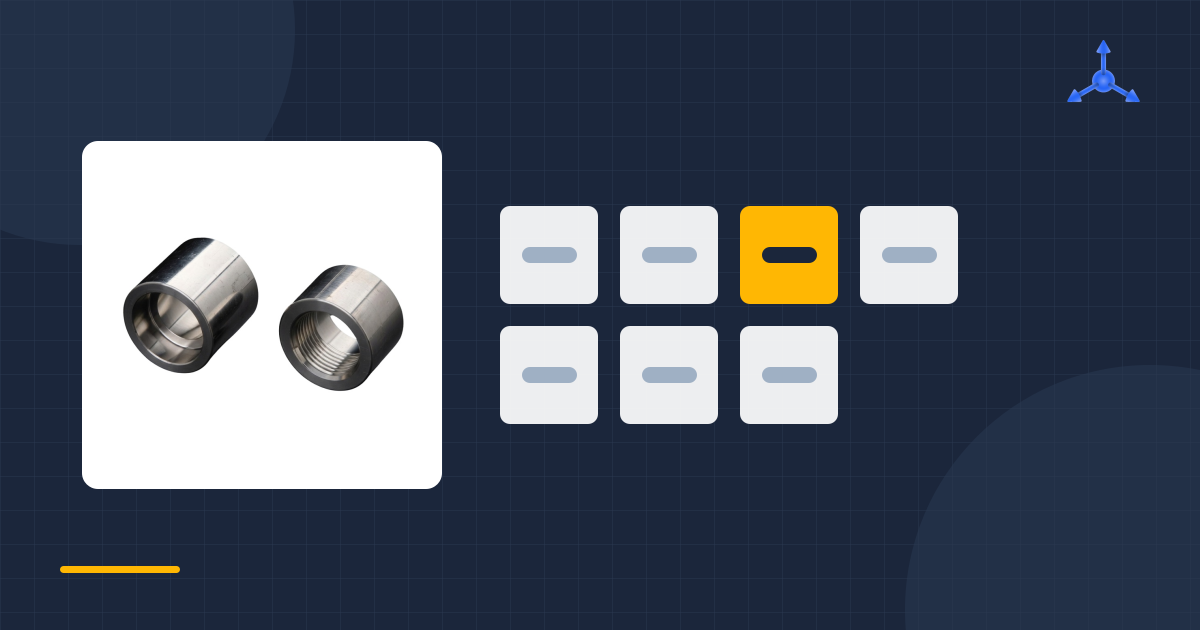
Volume, tolerance and who carries the risk decide whether a factory direct order, a quote portal or an authorized representative fits your part. Direct buying gets the lowest quoted price and the least recourse; a portal is fastest for prototypes but prices from geometry, not process. An authorized representative holds an agreement with each factory and selects one per part.
An authorized representative is a company that holds an agreement with each factory it represents, acting as that factory's overseas sales department rather than buying and reselling its output. We are the authorized representative of several leading Chinese manufacturers of industrial components, working from Burnaby, British Columbia, for buyers in Canada and the United States.
The five lines below settle most of the decision.
- Factory direct wins on unit price and loses on recourse when a part fails.
- A quote portal prices from geometry alone, so a complex part comes back high or not at all.
- An authorized representative is the factory's overseas sales department, not a reseller.
- Factories subcontract work they cannot do and add a commission the buyer never sees.
- Volume, tolerance and who carries the risk decide the route, not the quoted price.
What Does an Authorized Representative Do That a Sourcing Agent Does Not?
An authorized representative is accountable for the part. Each factory in our network has an agreement authorizing us to serve as its overseas sales department, which is a standing commercial relationship rather than a fee for an introduction.
We do not own or run a factory. The parts are made by the partner factories we represent, and they ship from the factory that made them. Buying through us is not buying from a reseller, because no part is bought, marked up and resold.
Three arrangements, three different things the buyer is paying for:
- A sourcing agent earns a commission for finding a supplier, so the introduction is the deliverable.
- An instant quote portal returns a price from the model you upload, and the contract is with the portal.
- An authorized representative works as the factory's overseas sales department, so the part is the deliverable.
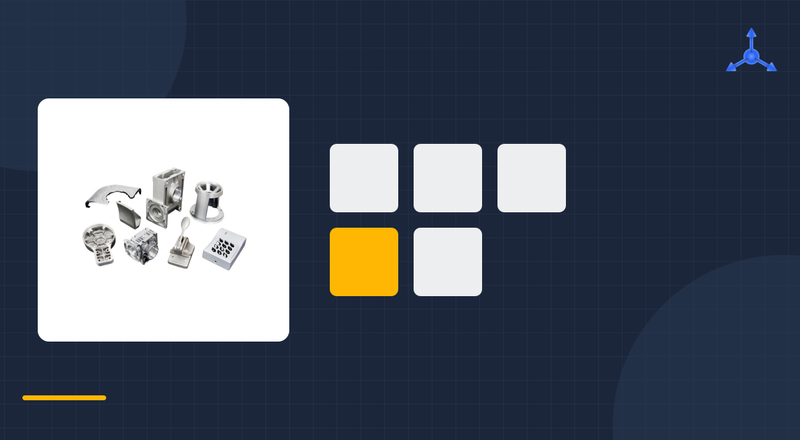
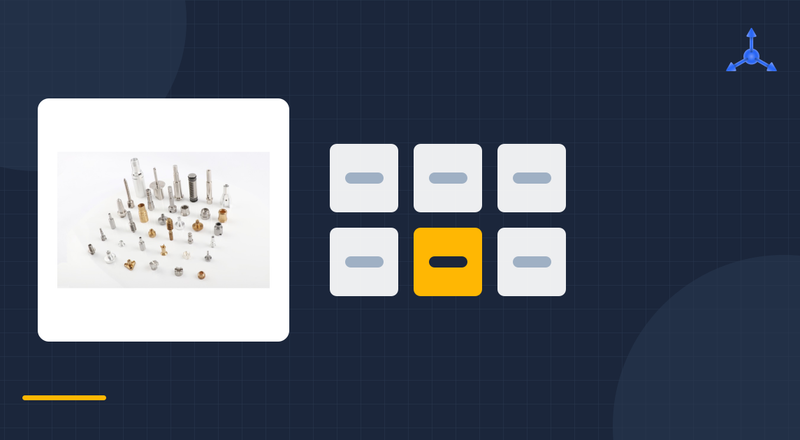
The scope of the work is specific. Custom parts run on Computer Numerical Control (CNC) lathe, CNC mill, casting and wire electrical discharge machining (EDM), and the right process is rarely obvious from the model alone. Choosing the factory that owns that process is the job.
Seven attributes separate the three routes. Payment is the plainest of them: a Chinese factory commonly bills Free On Board (FOB) with payment due before shipping, while we invoice on NET 30 terms, payable thirty days from invoice.
| Factory direct | Instant quote portal | Authorized representative | |
|---|---|---|---|
| Who you contract with | The factory | The portal | The representative |
| Legal recourse | Foreign jurisdiction | Portal terms | North American standards |
| Quote turnaround | Varies | Minutes | One business day |
| Prices from | Negotiation | Geometry | Process and geometry |
| Payment terms | Usually FOB | Card or terms | NET 30 |
| Who picks the factory | You | The portal | The representative |
| If a part fails | Your problem | Under portal terms | Representative supervises |
When Does Going Factory Direct Actually Cost Less?
Factory direct costs less when the part is simple, the volume is high, the specification will not move, and the factory quoting you is the factory that makes it. On that part, an authorized representative adds cost without adding much. Direct is the right answer more often than a supplier likes to admit.
The saving narrows when one of those four conditions fails. A factory that cannot make a part usually subcontracts it rather than lose the order, and adds a commission. The buyer pays that commission without seeing it.
Price is not the only thing that moves. Subcontracting is where quality and logistics problems start, because the plant that runs the job never spoke to the buyer and the quoting factory cannot inspect it. We select the factory that owns the process instead, which is a different decision from negotiating a quote down.
Chinese factories often trade under several names, so the name on the quotation may not be the name above the production line. A buyer going direct can check that, and should. Buying through us means knowing which factory makes the part.
The language boundary is harder to check from a desk. Chinese engineers rarely speak English, and factory sales staff rarely have technical training, so a technical question asked in English is often answered by someone not equipped to answer it. Our team works with the production engineers in their native language.
Order value changes the arithmetic as well. Recourse on a direct order sits in a foreign jurisdiction, which costs nothing until something goes wrong and then costs the whole order. On a sample run that is a tolerable risk, and on a production release against a customer delivery date it usually is not.
What Does an Instant Quote Portal Price, and What Does It Miss?
An instant quote portal prices geometry. It reads the uploaded model, measures the features a machine has to cut, applies a rate to each one and returns a number in minutes. Nothing in that sequence asks what the part is for.
Geometry is a fair proxy for cost on a prototype and a poor one on a production part. A portal cannot weigh whether a part should be cast and then machined rather than cut from solid, and it cannot propose a material substitution that holds the same specification for less. Those are process decisions, made before the quote rather than after it.
Machining after casting is the clearest example. A cast part usually needs machining on the faces that matter, and the cost of that second operation depends on who holds the fixture and how many times the part changes hands. A price built from the model alone cannot see that step.
Two of the three kinds of work we handle have no model to upload. We quote customer-designed parts from drawings, have standard parts batch-made to exact specifications, and track down off-the-shelf parts as a courtesy to customers.
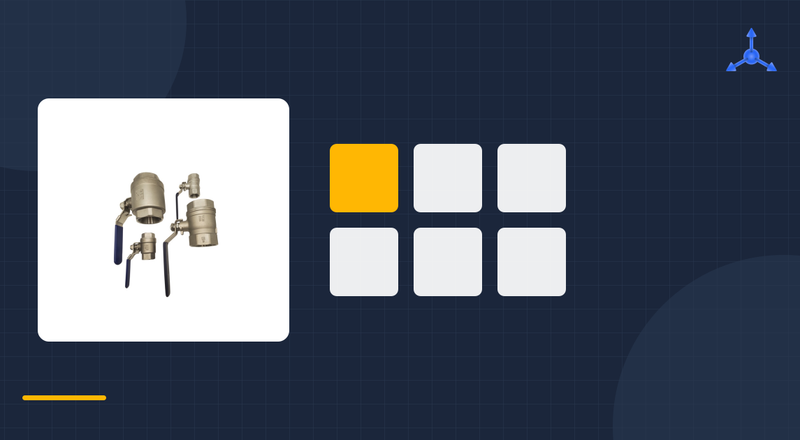
Standard parts show it most plainly. North American wholesalers stock a generic version of most fittings and valves, and a buyer who needs a specific material, pressure class or thread has a specification rather than a model. Our native Chinese staff find the original source and negotiate the price when an item sits outside the network.
A portal is still the fastest route from a model to a part in your hand. For a first prototype, where the geometry is the open question and the tolerance band is not, that speed is worth more than process advice. The weakness shows up on the production part, where tolerance and finish drive the real cost.
Who Carries the Risk When a Part Fails Inspection?
Whoever you contracted with carries the risk, which is why the contracting party matters more than the quoted price. A factory abroad owes you what your purchase order says and what a court there will enforce. We are legally bound to adhere to North American business standards, which gives a buyer recourse a factory abroad does not.
Inspection is the step before risk becomes an argument. As the authorized representative of each factory in the network, we select the best manufacturer for each part and process, talk directly with the engineers in charge, coordinate the transfer of parts between factories, and supervise inspection, assembly, packaging and shipping. A part that fails is caught on that floor rather than on your receiving dock.
Certificates sit behind that supervision, and they belong to the factories. Our partner factories hold International Organization for Standardization (ISO) 9001, International Automotive Task Force (IATF) 16949 and ISO 14001 certificates, covering CNC machining, pipe fittings and flanges, and investment casting. We hold no such certificate ourselves, because we do not operate a factory.
Judgment is the part no certificate covers. Carl Erickson, our founder and a mechanical engineer, first went to Shenzhen in 2005 and spent more than fifteen years there building electromechanical products, managing factories and developing supplier networks. Knowing which factory to trust with which part comes out of that rather than out of a document.
A buyer can put the same three questions to every route. Who inspects the part, against which drawing revision, and what happens to the lot if it fails. A route that cannot answer all three has moved the risk onto the buyer without saying so.
Which Route Fits Your Volume and Tolerance?
Volume and tolerance decide the route, in that order. High volume, a loose tolerance band and a settled specification point to a factory direct order, provided you know which factory makes the part. Low volume with the geometry still in flux points to an instant quote portal.
Everything between those two is where an authorized representative earns its place. A part with a tight tolerance band, a specified finish, a material callout that matters, or a process choice still open is a part where the factory selection is the decision. So is any part where a failed lot would miss a customer delivery date.
The specification itself tells you how settled the job is. Pipe fittings are commonly made to Manufacturers Standardization Society (MSS) SP-114 and ISO 4144, or to the customer's own choice of standard, and a named standard on the drawing removes most of the argument. A drawing without one is not ready to quote by any route.
What the third route costs is easy to state. Send Computer-Aided Design (CAD) drawings and specifications, and a quotation comes back within one business day, free of charge. Standard parts made to exact specification typically ship within two weeks, and invoices run on NET 30 terms.
The pattern holds across the industries we supply: robotics and automation, oil and energy, medical equipment, and automotive. The common thread is a part that has to be the same on the tenth order as on the first. That is a factory-selection problem before it is a price problem.
Our own limits belong in the comparison too. We do not own a factory, we do not return a price in minutes, and on a simple part at volume a direct order will usually beat us on unit price.
We are the authorized representative of several leading Chinese manufacturers of industrial components, working from Burnaby, British Columbia, for buyers in Canada and the United States.
Send us the drawing. A quotation costs nothing, and a sample order settles the question better than any comparison table.
FAQs
Is an authorized representative the same as a sourcing agent?
No — a sourcing agent is paid to find a supplier and earns a commission on the introduction. An authorized representative holds a standing agreement with each factory and acts as its overseas sales department, which means it is accountable for the part itself, not for the introduction. The distinction decides who answers when a shipment is wrong.
Is it cheaper to buy direct from a Chinese factory?
Often yes on unit price, for a simple part at volume where the specification is settled. The saving narrows when a factory subcontracts work it cannot do and adds a commission the buyer never sees. Direct buying also leaves recourse in a foreign jurisdiction, which matters more as order value rises.
What can an instant quote portal not price?
A portal prices from geometry: it reads the model and applies a rate per feature. It cannot weigh process choice, suggest a material substitution, or account for machining after casting. For a prototype that is usually fine, but on a production part with a tight tolerance band or a specified finish the quote misses what drives the real cost.
Who inspects the parts when manufacturing happens in China?
Vector supervises inspection, assembly, packaging and shipping, and selects which factory makes each part. The partner factories hold ISO 9001, IATF 16949 and ISO 14001 certificates covering CNC machining, pipe fittings and flanges, and investment casting. Vector itself holds none of those certificates and does not operate a factory.
How fast is a quote, and what do you need to produce one?
Send CAD drawings and specifications, and a free quotation follows within one business day. Standard parts made to exact specification typically ship within two weeks. Anything custom depends on process, tolerance and volume, which is why the drawing matters more than a description of the part.
What payment terms apply when buying through a representative?
NET 30. Chinese factories commonly bill on FOB terms with payment due before shipping, so the working capital difference is real on a large order. Vector is bound by North American business standards, which gives a buyer recourse that a contract with a foreign factory does not.
Related Reading

Carl Erickson
Founder and Chief Executive, Vector Components
Carl Erickson is a mechanical engineer and the founder and chief executive of Vector Components. He first went to Shenzhen in 2005 and spent more than fifteen years there building electromechanical products, managing factories and developing supplier networks. Vector Components brings nearly two decades of hands-on manufacturing experience in China to its customers in Canada and the United States.
About Carl EricksonRelated Signals