Custom Manufactured Parts for Medical Equipment Manufacturers
 Carl EricksonLast Updated: Nov 12, 2026
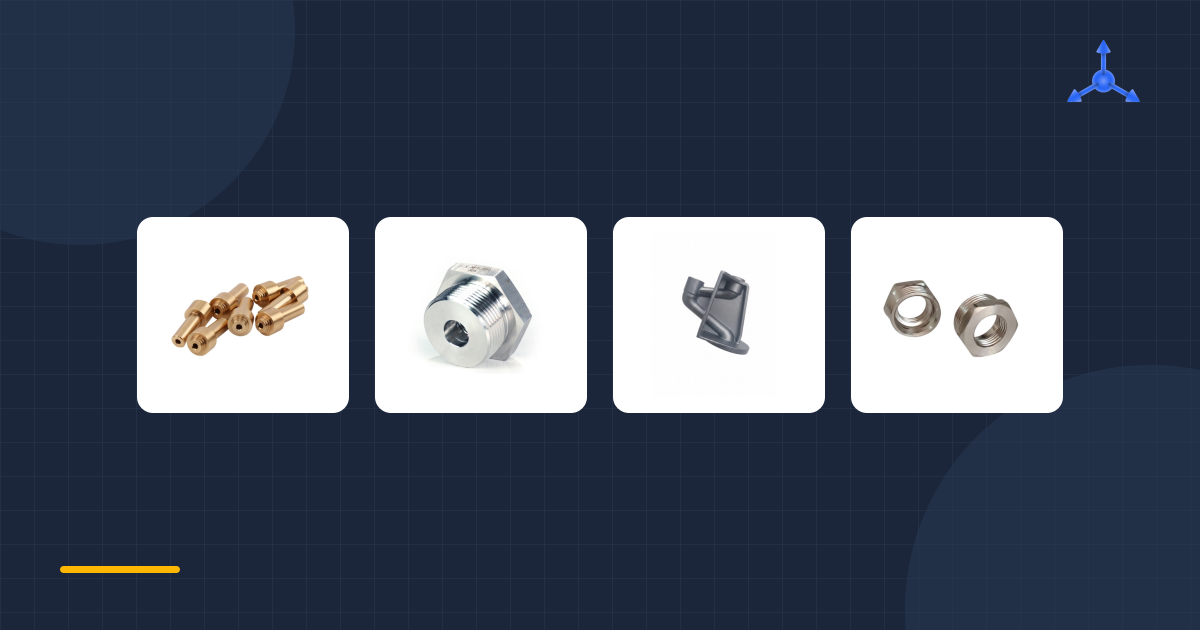
A medical equipment manufacturer sourcing custom components overseas is buying machined, cast and fabricated parts for imaging gantries, pumps, analysers, trays and carts. Vector Components supplies those parts as the authorized representative of several leading Chinese manufacturers of industrial components, serving buyers in Canada and the United States.
What Goes Wrong When a Medical Equipment Manufacturer Sources Overseas?
A medical equipment manufacturer sourcing overseas usually loses the part to the specification rather than to the machine. Somebody interprets the drawing out of sight: a finish assumed, a grade swapped for stock, a tolerance read as a guide.
On a medical machine that interpretation reaches the user: a couch rail that galls, a tray that warps after two hundred autoclave cycles, a housing that pits under a chlorine wipe.
The failures recur, and so do the controls against them.
| Challenge for a medical equipment manufacturer | How the sourcing process addresses it |
|---|---|
| Couch rails galling after cleaning | Spoken to the production engineer |
| Autoclaved trays warping between batches | One factory per part, named |
| Chlorine pitting a 304 housing | Inspection supervised before shipping |
| Analyser frame subcontracted without notice | Factory selected per part, stated |
| Certificate scope assumed, not read | Standards and scopes stated plainly |
A factory that cannot make a part usually subcontracts it and adds a commission, which raises the price and causes quality and logistics problems the buyer never sees.
Chinese factories also trade under several names, so buying through us means a buyer knows which factory makes the part. We pick the right factory for each part and the best manufacturer for each process.
Where Imaging Gantries and Patient Couches Need Machined Parts
An imaging gantry needs parts that hold position while something heavy rotates around a patient. The machined items are the bearing housings, the drive and lead-screw mounts, the slip-ring and detector-array brackets, and the counterweights behind the covers.
A gantry wants concentricity held across a bore, and a patient couch wants its lift column and rails to repeat a height to a fraction of a millimetre for years. Rails, carriage blocks, scissor-lift pins and clevis brackets meet cleaning fluid daily, so the stainless grade and the passivation step belong on the drawing.
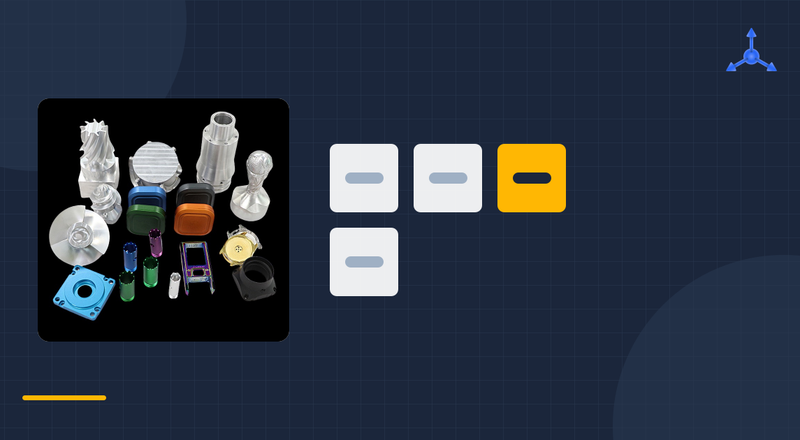
Four processes cover the custom parts we quote: Computer Numerical Control (CNC) lathe, CNC mill, casting and wire electrical discharge machining (EDM). Lead-screw nuts, pulleys and C-arm yokes come off a lathe or a mill, a collimator leaf is wire EDM work, and a lift-column body is casting.
Geometry decides the plant as well as the process, and a job needing two of those sits in two factories, so we coordinate the transfer of parts between them.
Infusion and Syringe Pumps Run on Small Precision Parts
An infusion pump is a small machine with a large consequence. A syringe pump needs a lead screw, a half-nut, a plunger-driver clamp and a barrel clamp, all holding position under motor load.
A peristaltic pump moves the problem to the rotor. The roller shafts, the rotor body and the occlusion bed set flow accuracy, and a few hundredths of a millimetre on the occlusion gap changes delivered volume.
Material here answers fluid and cleaning rather than strength: hard anodised aluminium for a dry chassis, stainless steel where a spilled drug or a disinfectant wipe lands, an engineering plastic for a tube clamp.
An unstated edge condition on a bracket passes inspection and fails assembly, so the specification goes to the production engineer rather than a sales desk. Chinese engineers rarely speak English and factory sales staff rarely have technical training, so we work with them in their native language.
Enteral feeding pumps and anaesthesia syringe drives need the same part families in lower volume. Work arrives in three forms: customer-designed parts, standard parts batch-made to exact specification, and off-the-shelf parts sourced as a courtesy.
Analyser and Centrifuge Housings Under Continuous Load
A clinical chemistry analyser runs for years with its covers on, so its housings are a cleanliness problem more than a strength problem. The machined parts are the deck plates, the cuvette-wheel and probe-arm mounts, and the pump and valve brackets.
A centrifuge is the opposite case. The rotor chamber, the bowl and the lid-latch hardware carry real energy, so material certification and a named plant matter most there.
Reagent and waste paths decide the grade. Anything wetted by saline, buffer or hypochlorite wants 316L rather than 304, and a crevice from a sloppy fillet is where chloride pitting starts.
Our materials run to aluminium, steel, stainless steel, zinc alloy, copper alloy and engineering plastics, with the grades listed on our CNC machining page.
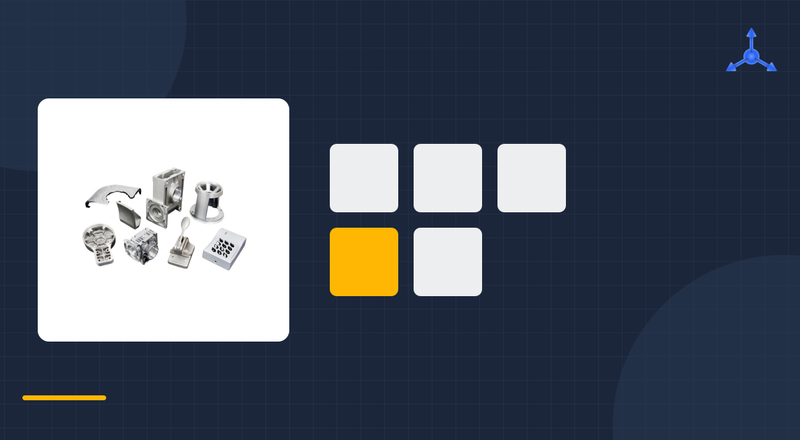
Die casting and investment casting are listed services, sand casting is available through the partner factories though not typical for the scale of our projects, and sheet metal manufacturing and custom fabricated components cover the enclosure.
Haematology analysers, blood gas benches and automated slide stainers sit in the same part families: a machined deck, a fabricated enclosure, brackets between them.
Surgical Instrument Trays and Sterilisable Enclosures in Autoclave Service
Surgical instrument trays and sterilisable enclosures fail by cycle count rather than by load. Moist-heat sterilisation, defined by International Organization for Standardization (ISO) 17665, runs at 121 °C or 134 °C with saturated steam, and a part that survives one cycle can distort after several hundred.
A tray is a fabrication job with a perforation pattern. Sheet thickness, bend radius, weld method and edge treatment decide whether it stays flat and whether it cuts the hands that carry it.
Stainless steel is the usual answer for a reason. Anodised aluminium is lighter, repeated steam cycles with an alkaline detergent will dull the coating, and a general-purpose plastic softens or crazes where a steam-stable polymer holds.
Quaternary ammonium wipes, alcohol, hydrogen peroxide, peracetic acid and sodium hypochlorite each attack something different, so name the surface condition, the passivation requirement and the roughness on the drawing rather than leaving the finish to the plant.
Sterilisation containers, scope trays and autoclave racks are the same job at different sizes: latch hardware, hinge pins and bracket sets machined, the body in sheet metal manufacturing or custom fabricated components.
Equipment Carts and Trolleys Take the Handling Damage
Equipment carts, trolleys and mobile stands fail where people touch them. A cart gets pushed into door frames and wiped with whatever is on the wall, and what gives way is the castor mounts, the column clamps, the shelf brackets and the welds between them.
Monitor arms, pole clamps, rail brackets and basket mounts are small machined or fabricated parts, and the thread and the finish are what a service engineer meets two years later.
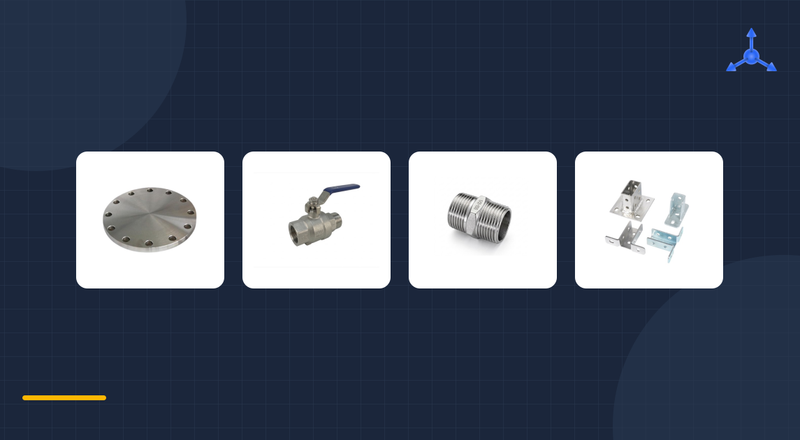
Strut channel, pipe fittings, flanges and ball valves are on our product list. North American wholesalers stock generic versions, and we batch-manufacture for customers whose requirements are more specific than a generic part allows.
Intravenous poles, infusion stands and ultrasound carts repeat those part families: a fabrication plus a small set of machined fittings where tolerance and finish earn their keep.
We supervise inspection, assembly, packaging and shipping, and pre-shipment inspection is the last point at which a substituted grade costs a conversation rather than a batch.
What Can This Supply Route Not Do?
Five limits apply to this supply route, and a medical equipment manufacturer should settle all five before sending a drawing.
It is not a regulatory service. We select the manufacturer for each part, coordinate transfer between factories and supervise inspection, assembly, packaging and shipping. Device registration, submission support and International Electrotechnical Commission (IEC) 60601 compliance work sit outside that.
None of the certificates behind this route is ISO 13485. Our partner factories hold ISO 9001, International Automotive Task Force (IATF) 16949 and ISO 14001 certificates, covering CNC machining, pipe fittings and flanges, and investment casting.
ISO 9001 is quality management, IATF 16949 is automotive and ISO 14001 is environmental. None substitutes for ISO 13485, the medical device quality standard, so a part needing an ISO 13485 supplier needs a different route.
We have no medical customer to point at. Medical equipment is one of four industries we list, alongside robotics and automation, oil and energy, and automotive, and the customers on our case studies page make sonar mounting systems and oil and gas equipment. Read the list as scope, not as reference.
We do not own or run a factory. Parts are made by the partner factories we represent, each with an agreement authorizing us to serve as its overseas sales department. A buyer who needs one entity that makes the part and holds the medical certificate is describing a different arrangement.
A design still moving weekly belongs closer to home. A tool, a fixture and a first run all take time, so prototype locally and bring the frozen drawing here when the volume justifies the trip.
What Should a Medical Equipment Manufacturer Send to Get a Quote?
Send the computer-aided design (CAD) files and the specifications: the tolerance set, the material and grade, the finish, the cleaning the part will see, and the quantity you expect to repeat. A quotation comes back within one business day, and quotations are free.
One line belongs in the first email: the requirement you cannot move on. If it is an ISO 13485 supplier, hearing a no inside one business day costs less than hearing it after a tool is cut.
We invoice on NET 30, thirty days from invoice, and we are legally bound to North American business standards, which gives a buyer recourse that a factory abroad does not.
Standard parts made to exact specification, such as valves, fittings and flanges, typically ship within two weeks, and we publish no figure for a custom machined or cast part.
If the first order is a sample, say so. A sample run on one tray or one couch fitting shows whether the engineer understood the tolerance and whether the finish survives the first wipe-down.
Vector Components is the authorized representative of several leading Chinese manufacturers of industrial components, supporting customers in the Canadian and United States markets, Canada first. We work from Burnaby, British Columbia.
Send us the drawing.
FAQs
Can you make parts for medical equipment?
Medical equipment is one of four industries we serve, alongside robotics and automation, oil and energy, and automotive. The work is custom machined, cast and fabricated components made to your drawings: gantry and couch fittings, pump brackets, analyser deck parts, trays and cart hardware. It is component manufacture rather than finished device assembly, and it excludes registration and regulatory submission support.
Are the factories ISO 13485 certified?
No. Our partner factories hold ISO 9001, IATF 16949 and ISO 14001 certificates, covering CNC machining, pipe fittings and flanges, and investment casting. None of those is ISO 13485, the medical device quality standard, and none substitutes for it. If a part requires an ISO 13485 supplier, raise that requirement before asking for a quotation.
How is tolerance held across repeat orders?
By fixing the factory. One part is made by one named factory rather than moved to whichever plant has capacity, which is where drift between batches usually begins. Inspection happens before shipping, and the specification is discussed with the production engineer directly rather than through a sales desk.
What materials can you work in?
Aluminium, steel, stainless steel, zinc alloy, copper alloy and engineering plastics, with the grades listed on our CNC machining page. Name the grade and condition on the drawing rather than writing stainless: a hypochlorite wipe that 316L shrugs off will pit 304 on an analyser housing or a couch rail.
Can you handle both machined and cast parts for the same assembly?
Yes. A cast lift-column body and the machined rails and clevis brackets around it often sit in different factories, and the coordination between them is the service. We select the manufacturer for each part and process and supervise the transfer between factories, rather than letting one plant subcontract the work onward and add a commission the buyer never sees.
What do you need to quote?
CAD drawings and specifications, including the tolerance set, material and grade, finish and expected quantity. A description of the part is not enough, because process choice follows geometry and tolerance. Say what the part gets cleaned or sterilised with as well. Quotations are free, and one comes back within one business day.
Related Reading

Carl Erickson
Founder and Chief Executive, Vector Components
Carl Erickson is a mechanical engineer and the founder and chief executive of Vector Components. He first went to Shenzhen in 2005 and spent more than fifteen years there building electromechanical products, managing factories and developing supplier networks. Vector Components brings nearly two decades of hands-on manufacturing experience in China to its customers in Canada and the United States.
About Carl EricksonRelated Signals